
“Children don’t become delinquents overnight.
Most of the time, the crime begins at home.”

Why do children commit crimes? In India, the biggest trigger for juvenile crime is parental neglect.
Lack of supervision, violence at home, addiction issues, and emotional abandonment push children into risky behaviour.
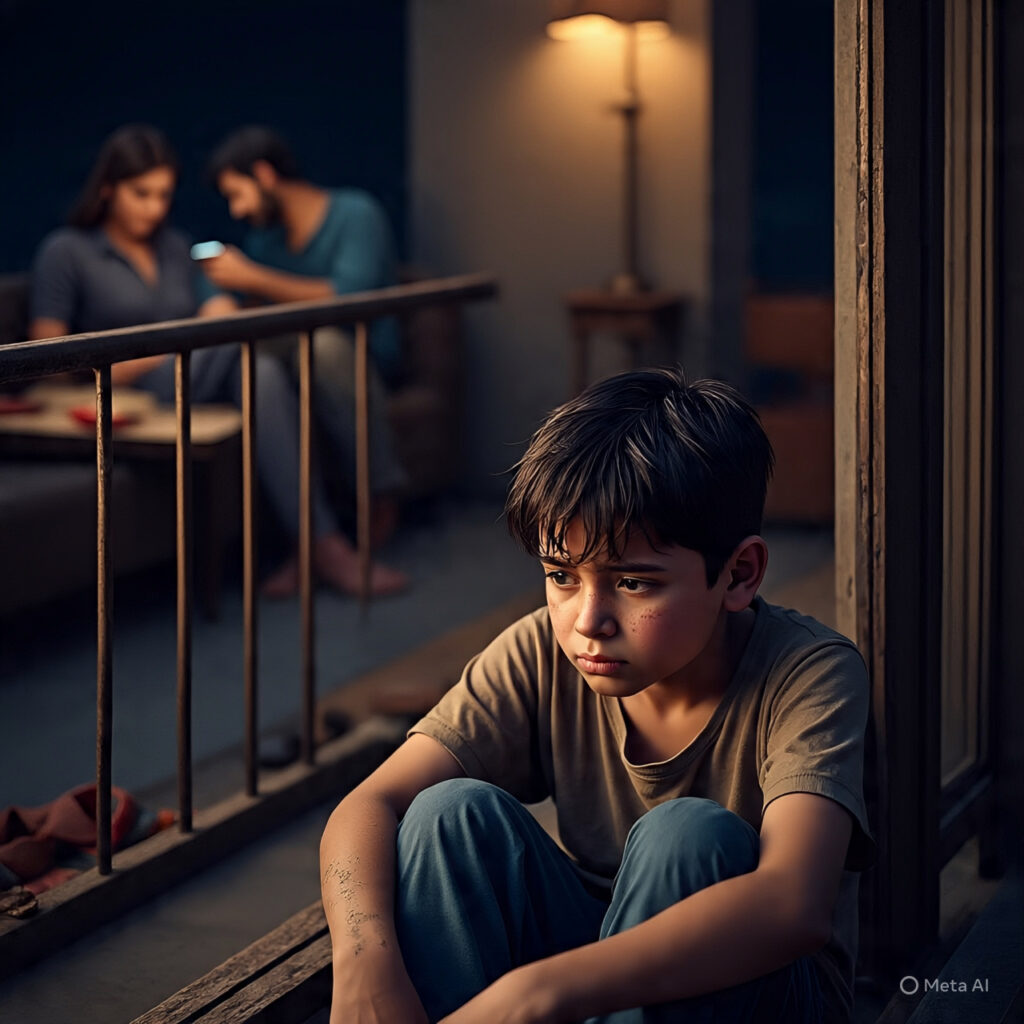
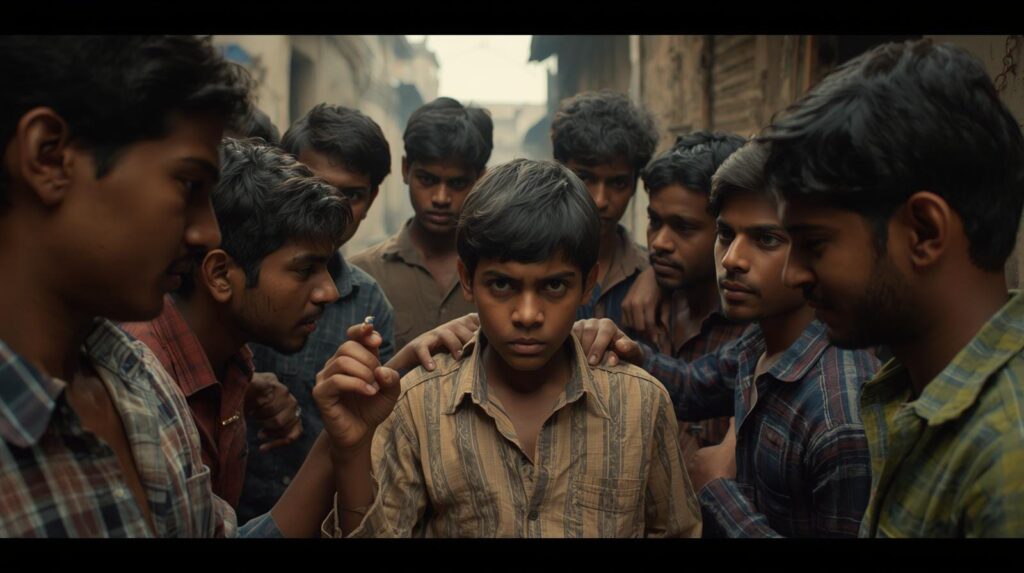
Other causes- Peer pressure, poverty, broken families, and exposure to criminal surroundings add fuel to the fire.
A neglected child becomes an easy target for exploitation.
What does Indian law do?
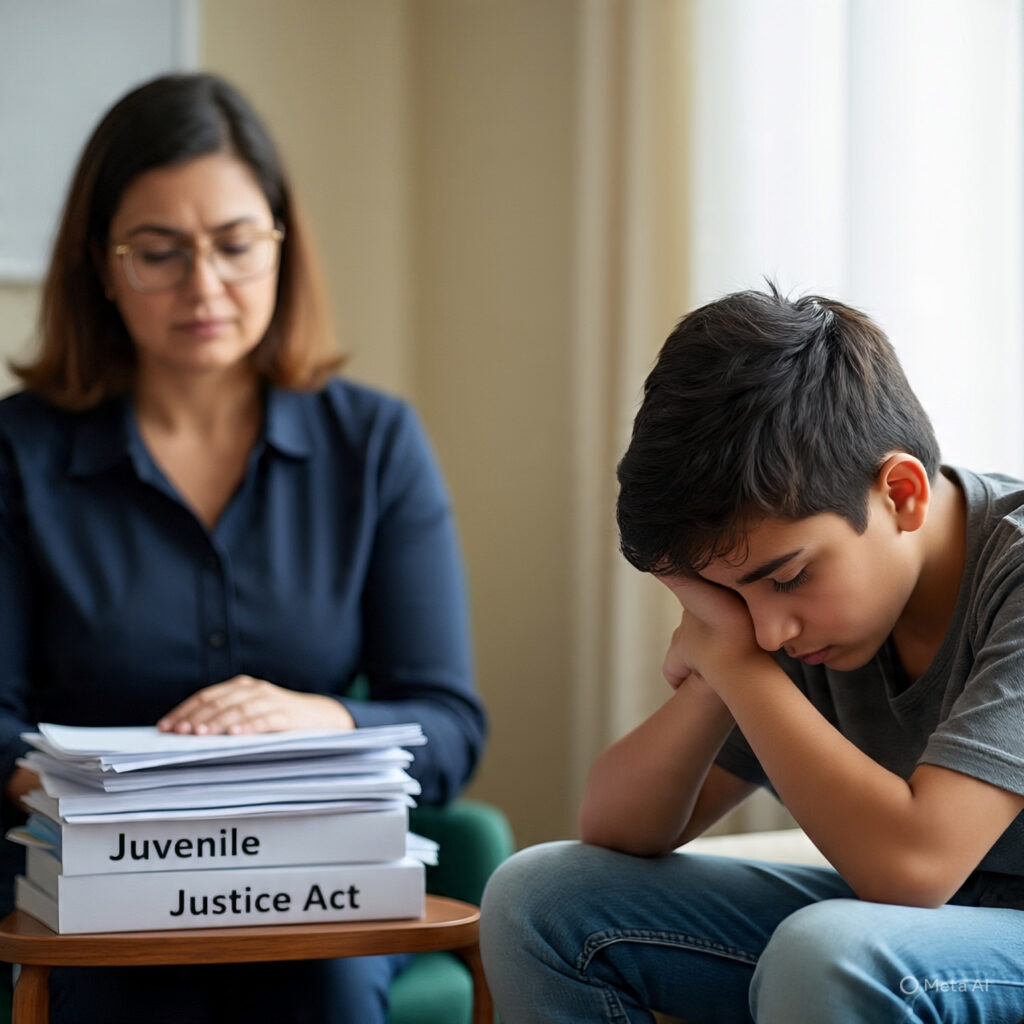
India follows a child-centric model under the Juvenile Justice (Care & Protection of Children) Act, 2015.
The focus is not punishment, but protection + rehabilitation.
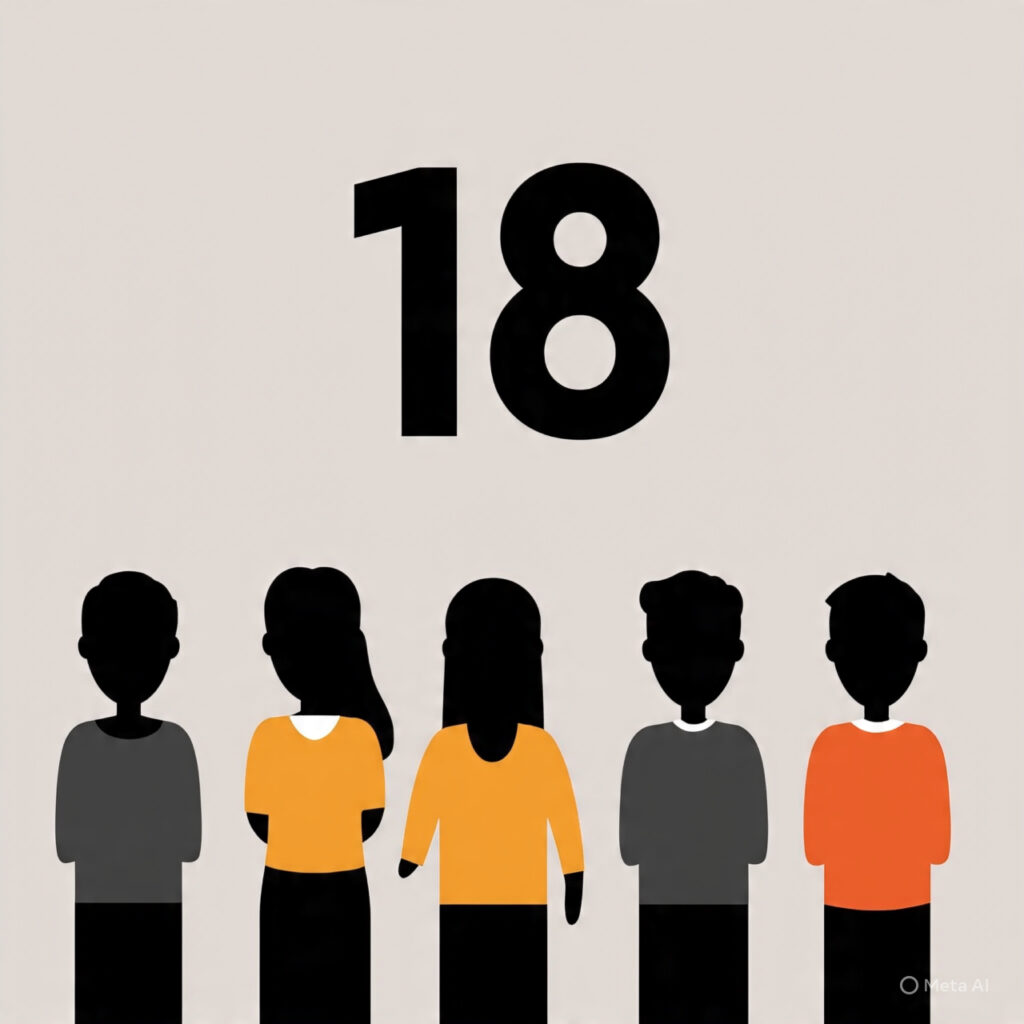
Who is considered a Juvenile? A child below 18 years.
But for heinous offences, children aged 16–18 may be tested for “adult-like mental capacity.”
Which court handles juvenile cases?
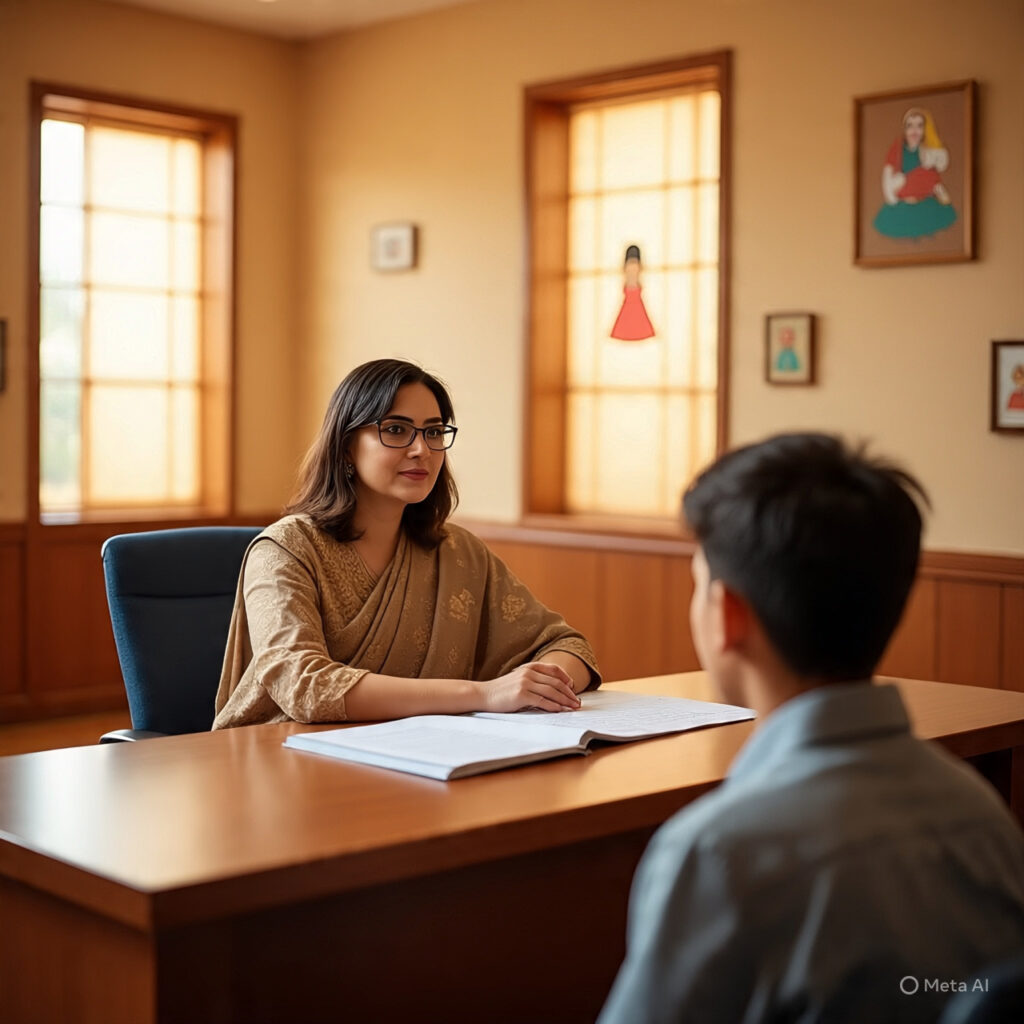
All cases are heard by the Juvenile Justice Board (JJB) — not a regular criminal court.
The JJB includes a Magistrate + two social workers to ensure a child-friendly approach.
Legal rules for child crime

Children are not “convicted.”
They are “found to be in conflict with the law.”
Proceedings are informal, counselling-oriented, and confidential.
Punishments (Reformative Measures)

Instead of jail, children may get:
• Counselling
• Community service
• Probation
• Special home placement
• Skill training
• Behaviour therapy
Serious Cases (Heinous Offences)

If the child is 16–18 and commits a heinous crime, the JJB conducts a psychological assessment.
If the child understands the nature & consequences, the case may go to the Children’s Court (Special Court).
What happens after the child turns 18?
They are not sent to adult jails immediately.
If they are already in a Special Home, they may continue rehabilitation till 21 years, depending on the order.
Why this matters
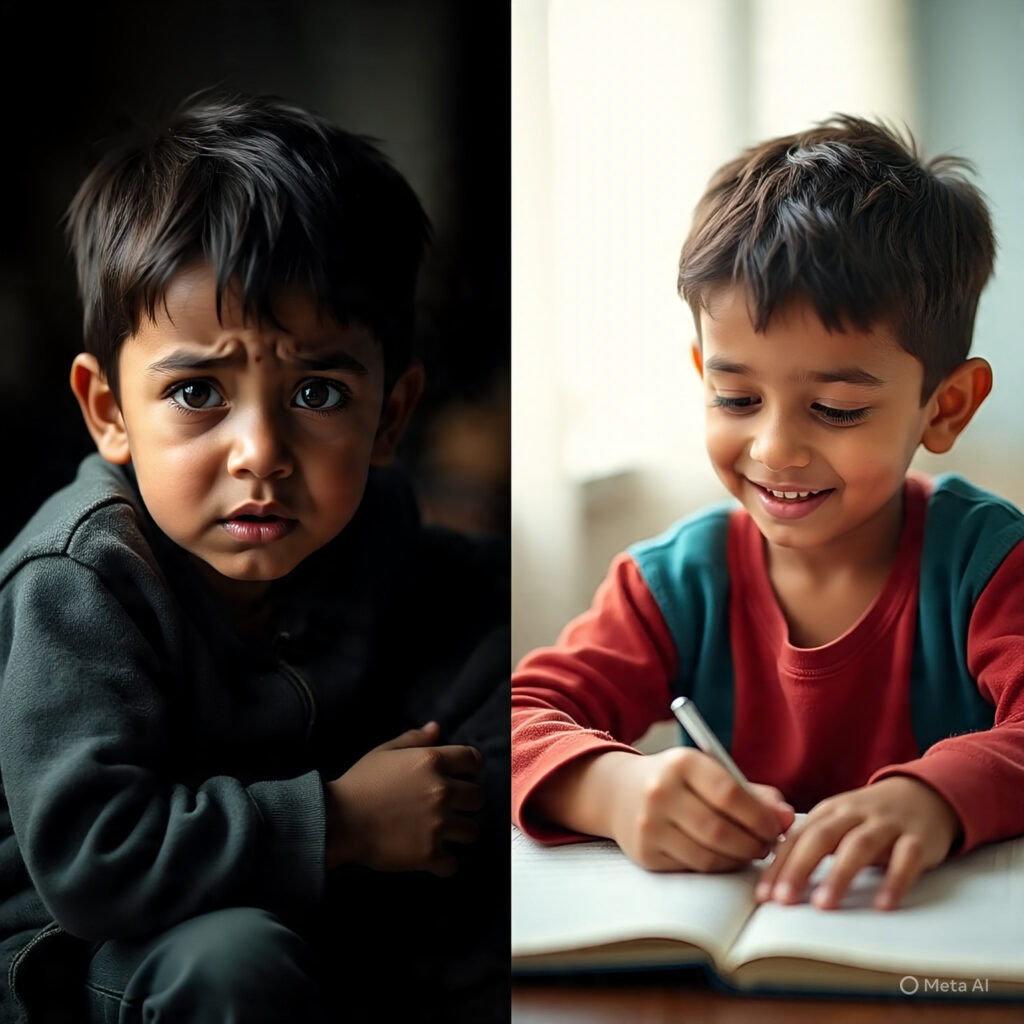
Most juveniles are not hardened criminals — they are children failed by adults.
Early intervention can stop a lifetime of crime.
Comparison with other countries

• USA: Some states try juveniles as adults from age 13–14.
• UK: Youth courts try those aged 10–17; age of criminal responsibility is 10.
• India: Age of criminal responsibility is effectively below 18, with special rules for 16–18 in heinous crimes.
India’s model is far more reform-oriented than Western systems.
What India still needs

• Stronger parental accountability laws.
• More counsellors in schools.
• Mandatory mental-health intervention for at-risk children.
• Fast-tracked rehabilitation programmes in slums & low-income areas.
• Higher funding for Child Welfare Committees.
Key message
A juvenile offender is still a child.
Reform works better than punishment — for the child, and for society.
Closing Note

If we fix homes, we fix futures.
The law can guide, but only parents and communities can prevent juvenile crime.


